A responsible tourism visitor guide should not live as a polite pledge hidden below the trip inspiration. It should sit inside the planning path, close to the places, seasons, rules, and choices where visitors make decisions. For small towns, that means pairing attraction copy with safety notes, access details, local spending guidance, pressure-point alternatives, partner-ready language, and honest updates when conditions change.

Responsible tourism often gets treated like a values statement: a pledge page, a campaign line, a badge in the footer, a social post during a busy weekend. Those pieces can help, but they are too far from the moment when a traveler decides where to park, when to arrive, what to bring, which trail to choose, where to spend money, and how much room to leave for the people who live there.

The visitor guide is the practical place for that work. It is already where people look for things to do, seasonal notes, maps, events, food, lodging, and trip ideas. If stewardship is separated from those decisions, the destination is asking travelers to connect the dots on their own. Many will not.

Start with the friction a visitor will actually feel

A useful visitor guide does not begin with every rule the destination wants to communicate. It begins with the points where a good trip can go wrong: full trailhead parking, fire restrictions, river danger, heat, winter roads, closed restrooms, fragile historic sites, limited Sunday hours, private property confusion, wildlife encounters, narrow main streets, or a local event that changes traffic.

That sounds less glamorous than a list of highlights, but it is better marketing. It helps qualified visitors decide with more confidence, and it filters out some behavior that creates trouble for staff, residents, public lands, and small businesses. A traveler who knows the backup plan, the slow hour, and the local expectation is easier to welcome.

Destinations International's 2025 Resident Sentiment research gives this work a clear mandate. The U.S. study surveyed a representative sample of 4,000 Americans, and the Canada study surveyed 1,000 Canadians. In the results, about two thirds of Americans and three fourths of Canadians agreed that tourists should be educated on how to travel responsibly and care for the environment. That is not a side issue for destination teams. It is part of the relationship between visitation and resident trust.

Move stewardship from slogan to page architecture

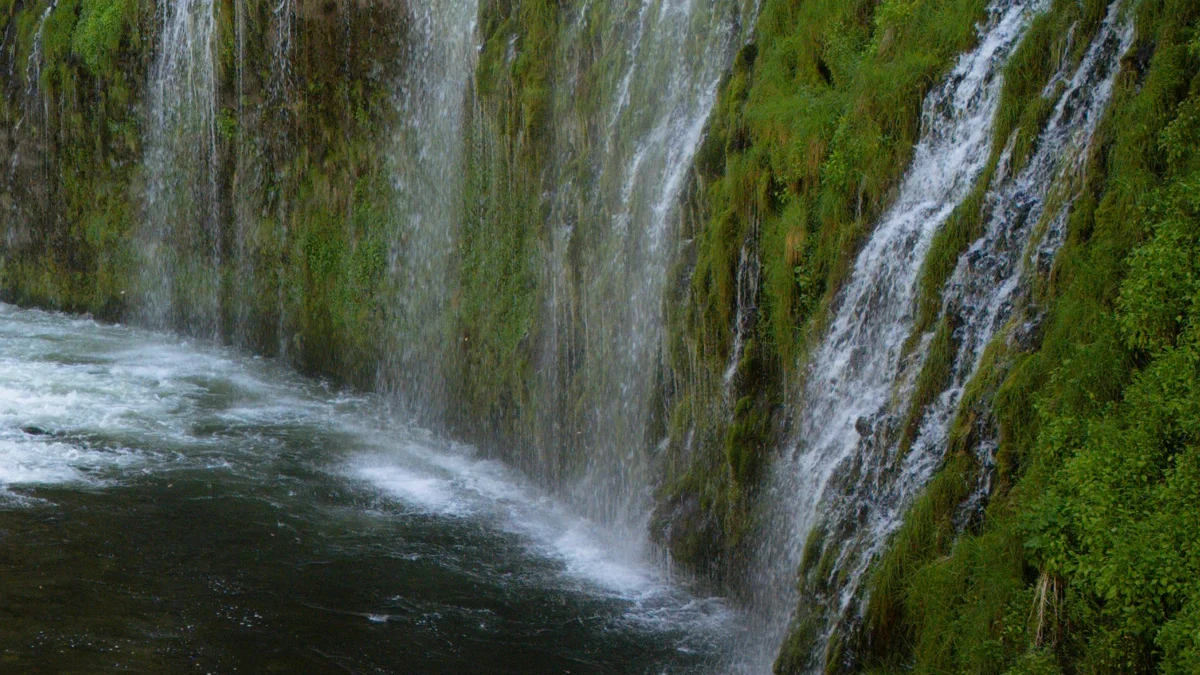
Many small-town websites have the right instincts but the wrong placement. A responsible travel page exists, but the waterfall page does not mention slippery rock, shuttle pressure, river conditions, or backup sites. The downtown guide says "shop local," but it does not help visitors understand hours, walkability, parking, tipping, event days, or how to spread spending beyond one photo-famous block.

The fix is not to turn every guide into a warning label. It is to build the warning, invitation, and local context into the same content system.

Guide elementWhat it should answerSmall-town example
Before you goWhat must be checked today?Fire restrictions, road closures, river level, event traffic, seasonal hours
Best time to visitWhen does this place work best?Weekday morning, shoulder season, after snowmelt, outside festival teardown
How to be welcomeWhat behavior matters here?Stay on marked trails, keep noise down near homes, ask before photographing people
Local spendingHow can the visit support the town?Eat downtown, book local lodging, hire a guide, buy from makers, tip service staff
If it is crowdedWhat should a traveler do instead?A nearby walk, museum, scenic pullout, quieter business district, reservation-based option

This structure keeps stewardship useful because it stays attached to a decision. It also keeps the tone from becoming scolding. The traveler is not being told to be better in the abstract. They are being given a cleaner way to have the trip they already want.

Translate rules into local help

Travel Oregon's Take Care Out There guidance is a good model because it turns responsible travel into plain traveler actions: prepare, care, and connect. The page asks visitors to research local guidelines, check conditions, make backup plans, pack what they need, respect surroundings, leave no trace, prevent wildfire, learn local history, and support local businesses.

That pattern works because it is specific enough to use but broad enough for local adaptation. A small mountain town might emphasize altitude, winter driving, avalanche terrain, wildfire restrictions, and limited emergency services. A river town might emphasize cold water, life jackets, glass bans, shuttle rules, and safe takeouts. A historic downtown might emphasize private property, accessible routes, resident parking, preservation rules, and respect around cultural sites.

The National Park Service trip-planning guide offers another useful backbone for visitor-facing pages: learn the current park environment, check alerts, know personal limits, understand permits and reservations, create a backup plan, pack essential gear, and ask about conditions on arrival. A destination guide should translate that logic into the local choices a visitor will make. "Check alerts" becomes "look at the county road page before driving the canyon route." "Create a backup plan" becomes "use the history museum or downtown loop when smoke, storms, or full parking change the day."

Write for the right visitor, not every possible visitor

Small towns do not need more vague traffic. They need visitors whose timing, expectations, spending, and behavior fit the place. A responsible tourism guide can help by saying what kind of trip works best instead of pretending every trip works equally well.

That may mean saying a trail is better for prepared hikers than casual sandal walks. It may mean telling families where the easier loop is instead of pushing them toward the most dramatic viewpoint. It may mean showing a two-night itinerary that keeps lodging, dinner, public land, and downtown time connected, instead of promoting a one-day sprint through every attraction.

Google's people-first content guidance lines up with this approach. It asks creators to provide original analysis, a substantial answer, clear sourcing, trustworthy authorship, and content made primarily to help people achieve their goal. For a destination, the goal is not only a pageview. It is a visitor who understands enough to plan well and arrive with the right expectations.

Give partners language they can repeat

A visitor guide should also serve the people who answer questions every day: lodging staff, outfitters, restaurant owners, visitor center volunteers, event organizers, guides, chambers, and land managers. If each partner has to invent their own responsible travel language, the destination gets a patchwork of advice. Some of it will be accurate. Some of it will be outdated. Some of it will be too soft to change behavior.

Build a small partner block for each guide page. It can include a short paragraph partners may copy, three current visitor tips, one link to the source of truth, and one backup recommendation. Keep it updated in the same place as the public guide. That turns the page into both consumer content and partner infrastructure.

  • One sentence that names the desired behavior without sounding like a lecture.
  • One condition link, such as road status, fire restrictions, trail alerts, park notices, or event traffic.
  • One local spending cue tied to nearby businesses or services.
  • One less-crowded alternative that still keeps visitors in the community.
  • One accessibility or mobility note so travelers do not have to guess.

This is also where Backroads Culture's content programs fit naturally. Ongoing destination content should not only publish new inspiration. It should keep the practical travel story current enough for visitors, partners, and search engines to trust it.

Use imagery as evidence, not wallpaper

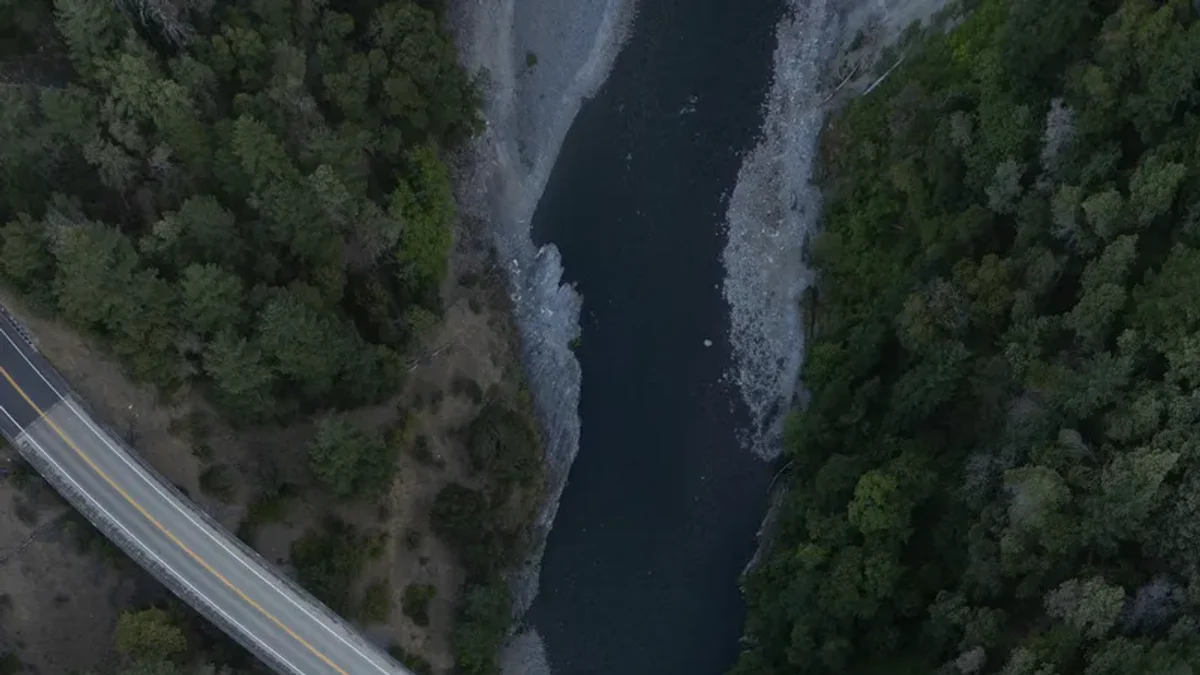
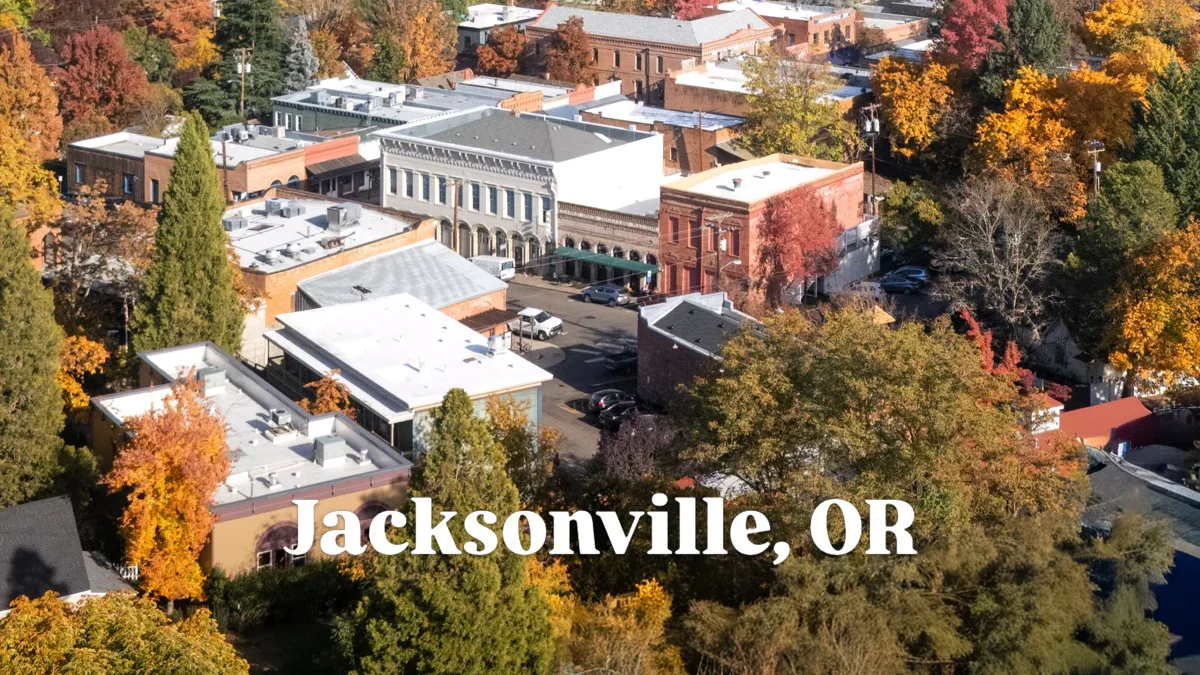
Responsible tourism content does not need sterile government copy. It needs images and stories that make the right behavior feel connected to the place. Show the signed trailhead, the shuttle stop, the walkable block, the ranger station, the local maker, the quieter picnic area, the river from a safe pullout, or the downtown view that rewards arriving outside the rush.

Google's image SEO documentation is useful here because it ties discoverability to basics that also help travelers: standard image elements, relevant pages around the image, representative social and schema images, descriptive alt text, and fast, high-quality image delivery. Do not make the hero image promise one trip while the page advises another. The strongest destination image is not always the most dramatic one. It is the one that helps the visitor understand where they are going and how to behave when they get there.

A practical audit before publishing

Before a visitor guide goes live, run it through a stewardship pass. This can be short. The point is to make sure the page is useful before it starts attracting attention.

  1. Does the guide tell visitors what to check today, and does it link to the source of truth?
  2. Does it name the best time, season, or visitor fit instead of implying every moment is equal?
  3. Does it include at least one backup plan when parking, weather, closures, smoke, or crowds change the trip?
  4. Does it explain local rules in plain language close to the affected attraction or activity?
  5. Does it help visitors spend locally without turning the town into a shopping checklist?
  6. Does it include accessibility, mobility, restroom, transit, or distance notes where those details affect the decision?
  7. Does each image honestly support the trip being described?
  8. Could a hotel desk, chamber volunteer, outfitter, or business owner send this page to a guest without adding a long correction?

If the answer is no, the guide is not ready. Publish fewer pages and make the important ones dependable. A small town earns more from one useful, trusted guide than from ten thin pages that repeat the same invitation and avoid the hard details.

The conversion goal should be trust

There is still a business purpose here. A better visitor guide can improve organic discovery, help partners answer questions, make campaign traffic more useful, and reduce friction for travelers who are close to choosing the destination. But the deeper conversion is trust: residents see the destination organization taking the place seriously, partners have cleaner language, and travelers arrive with a clearer idea of what the trip asks of them.

Responsible tourism should not sit apart from destination storytelling. It is part of the story. It tells the visitor, quietly and plainly, that this is a real place with limits, people, histories, work, beauty, and conditions that change. That honesty does not weaken the invitation. It makes the invitation worth accepting.

Sources and further reading

  1. 2025 U.S. & Canada Resident Sentiment Report, Destinations International and Longwoods International
  2. Take Care Out There, Travel Oregon
  3. Trip Planning Guide, National Park Service
  4. Creating Helpful, Reliable, People-First Content, Google Search Central
  5. Google Image SEO Best Practices, Google Search Central